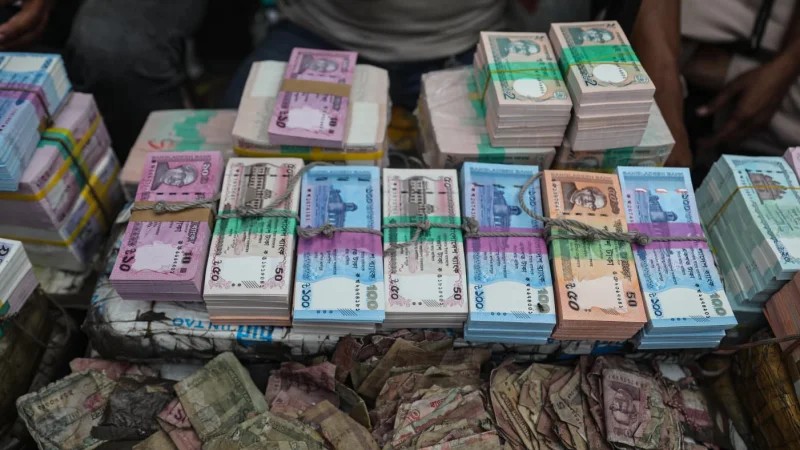
Bangladesh’s currency has appreciated, raising concerns that the country’s export sector could lose its price edge in global markets.
The central bank reported that the Real Effective Exchange Rate (REER) rose 1.39% in August, reaching 105.37, a level that signals an overvalued currency.
A REER reading above 100 indicates that the Taka is priced higher than the weighted average of Bangladesh’s 17 major trading partners, after adjusting for inflation and trade volumes.
The overvaluation stems largely from a stark inflation gap: domestic inflation hovers near 9%, while partner economies enjoy 2%‑3% inflation, pushing production costs up in Bangladesh.
Compounding the issue, the Taka strengthened to Tk121.61 per US dollar by month‑end, roughly Tk1.50 stronger than the REER‑based equilibrium would suggest.
An overvalued Taka makes Bangladeshi goods costlier for international buyers, threatening the competitiveness of the garment industry that underpins the nation’s export earnings and foreign‑exchange inflows.
Central bank officials indicated that further currency depreciation may be necessary to align the Taka with market fundamentals and protect export performance.
Why it matters
An overvalued Taka reduces the price advantage of Bangladeshi goods, jeopardizing the sector that drives the country's foreign‑exchange earnings.