Bangladesh’s decision to launch a national platform to tackle plastic pollution is a welcome step towards addressing one of the country’s most persistent environmental challenges. However, its success will depend on whether we see real commitment to concrete action rather than it becoming another initiative that produces discussions without meaningful results.
Plastic pollution has become an increasingly visible threat across Bangladesh, with plastic waste continuing to damage ecosystems and threaten public health. Excessive reliance on single-use plastics, poor waste management, and inadequate recycling facilities have allowed the problem to grow, affecting communities whose livelihoods depend on healthy waterways.
Bringing together government agencies, businesses, development partners, and civil society can help improve coordination and promote a circular economy. However, consumers cannot be expected to shoulder the responsibility alone, and manufacturers, importers, and brand owners must also be held accountable for product waste.
The government must establish clear targets for reducing plastic use, expanding recycling, and improving waste collection. Existing regulations must be enforced consistently with meaningful penalties, while businesses are encouraged to invest in reusable alternatives and reduce unnecessary packaging.
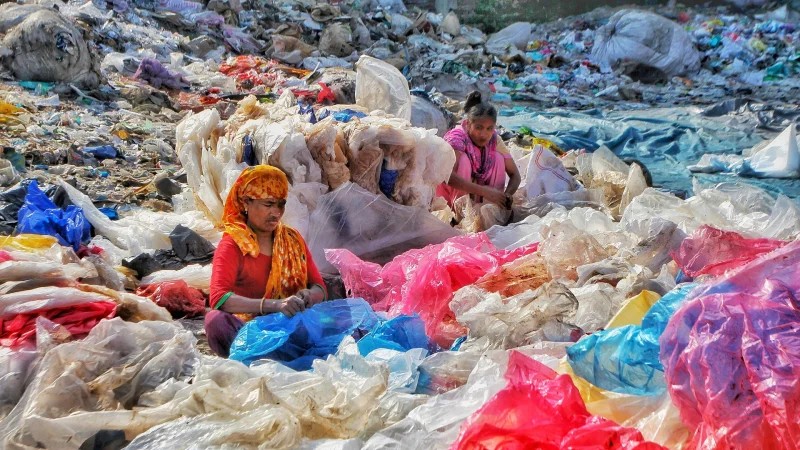
Waste collectors, sorters, and recyclers play a vital role, and improving their working conditions while integrating them into formal waste management systems will strengthen the country’s recycling capacity. Public awareness, accessible disposal options, and adequate resources for local authorities are essential for lasting change.
Ultimately, this platform presents an opportunity to coordinate efforts and establish cross-sector accountability to achieve reduced plastic waste, higher recycling rates, and cleaner neighbourhoods across Bangladesh.
Why it matters
The national platform provides a structured framework for Bangladesh to tackle plastic pollution and improve resource management across industrial and community sectors.