After six days of speeches from the UN General Assembly podium, one word rose above all others: peace .
This final edition of The Takeaway distils the messages he said reverberated through the Assembly Hall and looks at where the 193-member body goes from here.
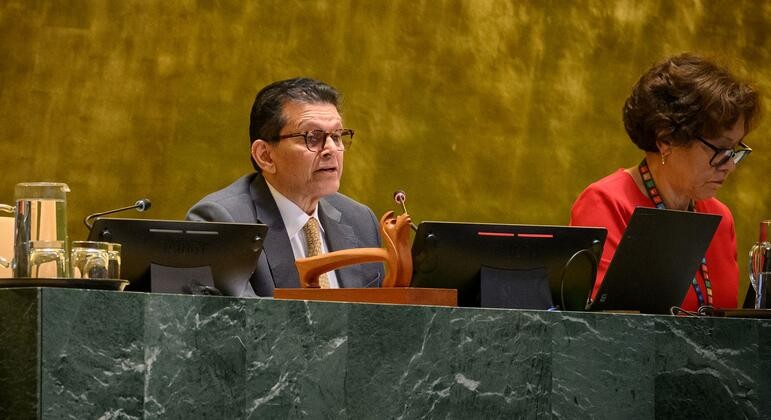
Closing the annual general debate on Monday, General Assembly President Khalilur Rahman stated that leaders had confronted a world characterized by conflict, stalled development, deepening inequality, and rapidly accelerating technological change. However, despite sharply differing perspectives, he noted that he heard a common conviction that the United Nations remains indispensable.
The striking shift: President Rahman’s numbers illustrate just how dramatically the diplomatic conversation has changed.
Artificial intelligence was discussed by more delegations this year than climate change or human rights, he said. Leaders saw enormous potential in the technology, but also profound questions: Who designs it? Who benefits? Who assumes the risks?
He highlighted one intervention in particular: “No machine possesses democratic legitimacy. No algorithm inherits constitutional responsibility.”
His takeaway was clear: governance must remain human-centred, inclusive and responsive to developing countries, while avoiding a new divide in which a handful of countries and companies control the technologies shaping everyone’s future.
The bigger question: Can an institution built for an earlier era deliver in this one?
President Rahman said speakers had strongly defended multilateralism, while demanding reform of the institutions through which it operates.
Administrative changes alone would not suffice, he argued, highlighting calls for deeper political reform and describing Africa’s continued exclusion from permanent membership of the Security Council as an injustice.
Ultimately, he suggested that multilateralism must be judged by results rather than process, measured not by the number of resolutions adopted or meetings held, but by whether collective action changes realities on the ground.
According to the Assembly President, 194 speakers took the floor during the 2026 General Debate, including 113 Heads of State and Government, one crown prince, 11 Vice Presidents, seven Deputy Prime Ministers, and 48 Ministers.
Monday closes the General Debate , not the General Assembly session .
From 1 October through December, the 193-member Assembly moves deeper into its substantive work, debating global issues, electing key officials and considering the UN budget.
Much of the detailed negotiation and drafting shifts to its six Main Committees, where every Member State is represented and issues range from disarmament and international security to economic, financial, humanitarian, and social affairs.
A particularly consequential decision also lies ahead: following a recommendation from the Security Council, the General Assembly will appoint the next UN Secretary-General to succeed António Guterres on 1 January 2027.
President Rahman concluded the debate by stating that the proceedings were just commencing. “This is only the beginning of the session,” he said.
Throughout the remainder of the General Assembly’s 81st session, follow Meetings Coverage here ,
Why it matters
The conclusion of the UN General Debate sets the multilateral legislative and reform agenda for the remainder of the General Assembly session.